Hi! My name is Aryaman and I am a summer intern at the Saint Louis Zoo’s Institute for Conservation Medicine. I’ve always had an interest in animals, especially conservation efforts, and this internship was a great look into what the Saint Louis Zoo is doing in that field.
After this summer I will be going into my first year of college for Biology.
Arboviruses are viruses we get from bugs- commonly mosquitoes and ticks. When an insect bites you there is a chance it can give you a virus, putting it directly into your bloodstream. The worst part? There’s often no way of knowing which insects are carriers. Insect bites are already annoying, they itch and swell up, but with a virus they can become deadly.
From your backyard to countries across the world, insects are everywhere, but they thrive in humid tropical climates- like Brazil. It is important to be aware of the risk bug bites carry, and have easy access to vaccines in treatments, but in many countries those things are simply unavailable.
In an effort to combat the lack of infrastructure and information surrounding arboviruses the Saint Louis Zoo has partnered with Dr. Lilian Catenacci and government departments in Brazil to spread information and work to create better public health infrastructure around these deadly viruses.
The project started in 2011 and focuses on Brazil and the melding between wildlife and humans along the edges of its rain forests. Dr. Catenacci works with not only humans but primates, birds, and horses to collect data on the viruses being transmitted and where they are. While some of these animals are threatened, the main focus of the project is humans, so most of the species are common, and easily found during outings through the rain forest.
Saint Louis Zoo Institute for Conservation Medicine
Working alongside Dr. Catenacci and universities in Brazil, we are able to take samples from animals and then analyze them in the lab. In an interview Dr. Catenacci said they collect all kinds of things, from oral swabs to blood slides and even organ samples!
Saint Louis Zoo Institute for Conservation Medicine
Using these samples we are then able to identify if the animal was infected, what it was infected with, and a host of other data we can use to create lessons, work on solutions, and publish our findings. Through this project Dr. Catenacci says she hopes to create more effective and accessible healthcare and reduce fatalities from arboviruses.
Viruses in Brazil aren’t something many of us can relate to, we don’t all live there after all, so you may wonder ‘why should I care?’
These viruses aren’t specific to Brazil, in fact many of them are issues all over the world. You can catch them on vacation, while walking around, or even in your own backyard! Arboviruses spread easily, and infect multiple species, making them a One Health issue.
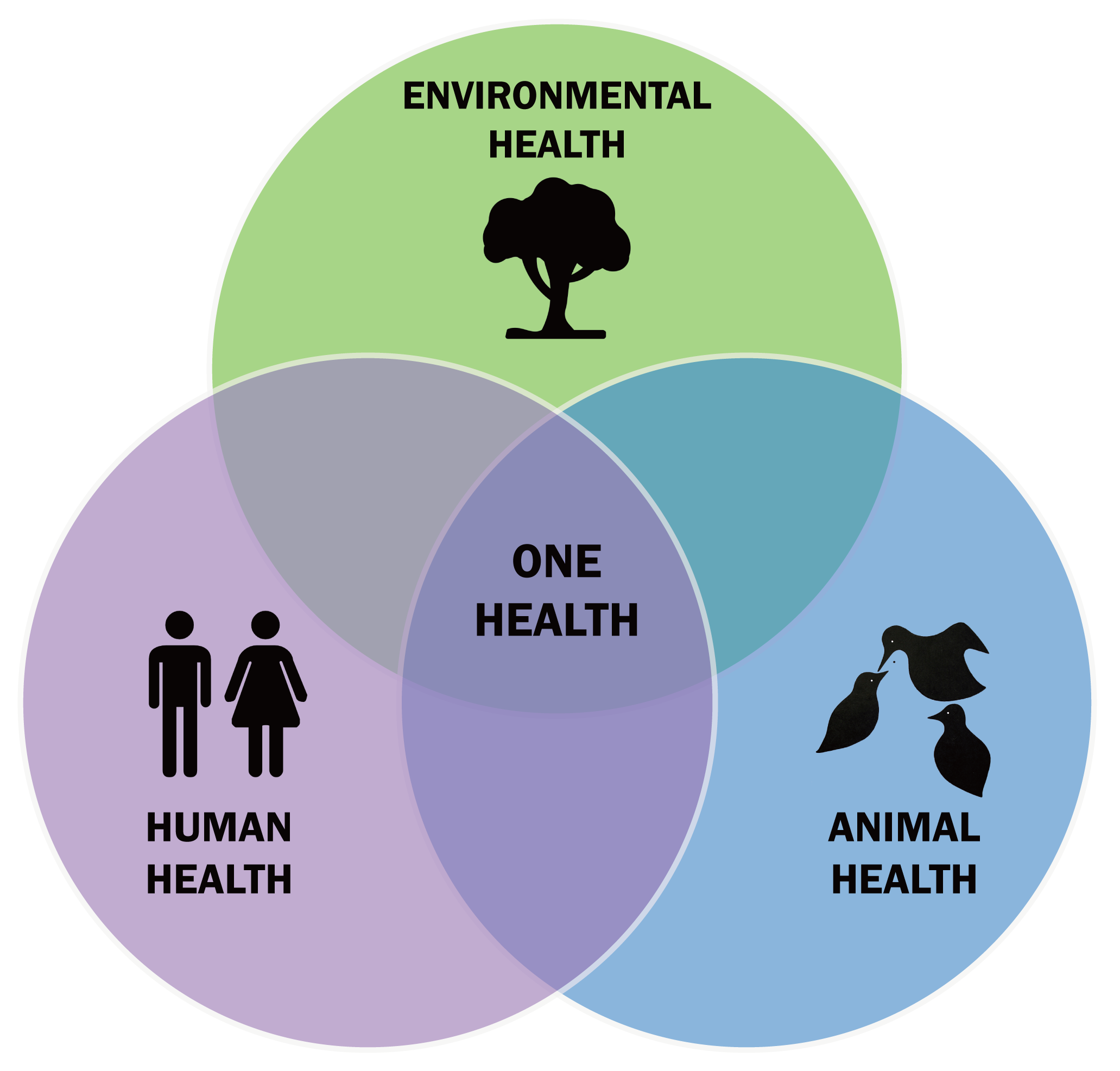
One Health is a simple concept- the idea that the health of people, animals, and the environment are connected. It’s easy to see how this is a One Health issue- mosquitoes are directly affecting us, and other animals, by making us sick! The work being done in Brazil would help people all over the world with this issue- scientists could create vaccines, healthcare would be more readily accessible, and we’d be able to help the animals who get infected too!
The research helps make travel and vacations safer, the world healthier, and increases the quality of health care around the globe for humans and animals alike, making this solution a One Health solution as well.
Humans aren’t the only ones affected by these viruses either. Animals often catch these diseases from mosquitoes that bite them as well. Beyond that animals- especially monkeys, are often blamed for an increase in infections. People chase them out of the area, or hunt them, and only find out later that the wildlife was protecting them. With less animals around to bite, mosquitoes turn to humans, biting them more and increasing the amount of infections.
By teaching people about this, we are able to reduce the amount of animals needlessly removed from the environment, and reestablish the protection they have, leading to both healthier humans and a healthier environment!